Coordinating a packaging pickup at a supplier's warehouse takes more preparation than most buyers expect. A last-minute drive to collect an order that isn't staged, isn't complete, or won't fit in your vehicle wastes time and disrupts production schedules. This guide walks procurement buyers at licensed cannabis brands and dispensaries through every step of a smooth packaging pickup, from confirming order readiness to loading and logging stock back at your facility.
Why Packaging Pickup Deserves a Written Process
Will-call pickup sounds simple. You place an order, drive over, and collect it. In practice, the handoff involves coordination across your purchasing team, the supplier's warehouse staff, and whoever signs for the goods on your end.
Without a written process, small details fall through. You might arrive during off hours, discover a case quantity mismatch, or realize your van is two feet too short for the pallet. Each of those problems costs at least a half-day. A checklist eliminates most of them before you leave your building.
Confirm Order Readiness Before You Leave
This is the most important step. Never assume your order is picked and staged because you submitted a purchase order. Contact the supplier directly to confirm readiness.
For Render Packaging, will-call hours run Monday through Friday, 8 AM to 4 PM, at 3680 South Santa Fe Avenue, Vernon, CA. Reach the team at (213) 757-8064 to verify that your specific order is ready before you make the drive. Not every order is available same day, so call ahead rather than show up and wait.
Ask the supplier to confirm three things during that call: the order is fully picked, the item count matches your purchase order, and any custom items or labels are included in the staged lot. Get a confirmation name or reference number to quote at the dock.
Render’s published will-call details list weekday hours from 8 AM to 4 PM in Vernon. Call (213) 757-8064 to confirm stock and order readiness before you travel.
Check Case Quantities and Count Expectations
Packaging ships in cases, and case quantities vary by SKU. Before pickup, pull your purchase order and note the case count alongside the unit count. These are different numbers, and confusing them at the dock creates receiving errors.
For example, if you ordered 500 units of a concentrate container and the case quantity is 100, you should be loading exactly five cases. If the dock worker hands you six, stop and recount before signing. If they hand you four, flag it immediately rather than discovering the shortage after you've driven away.
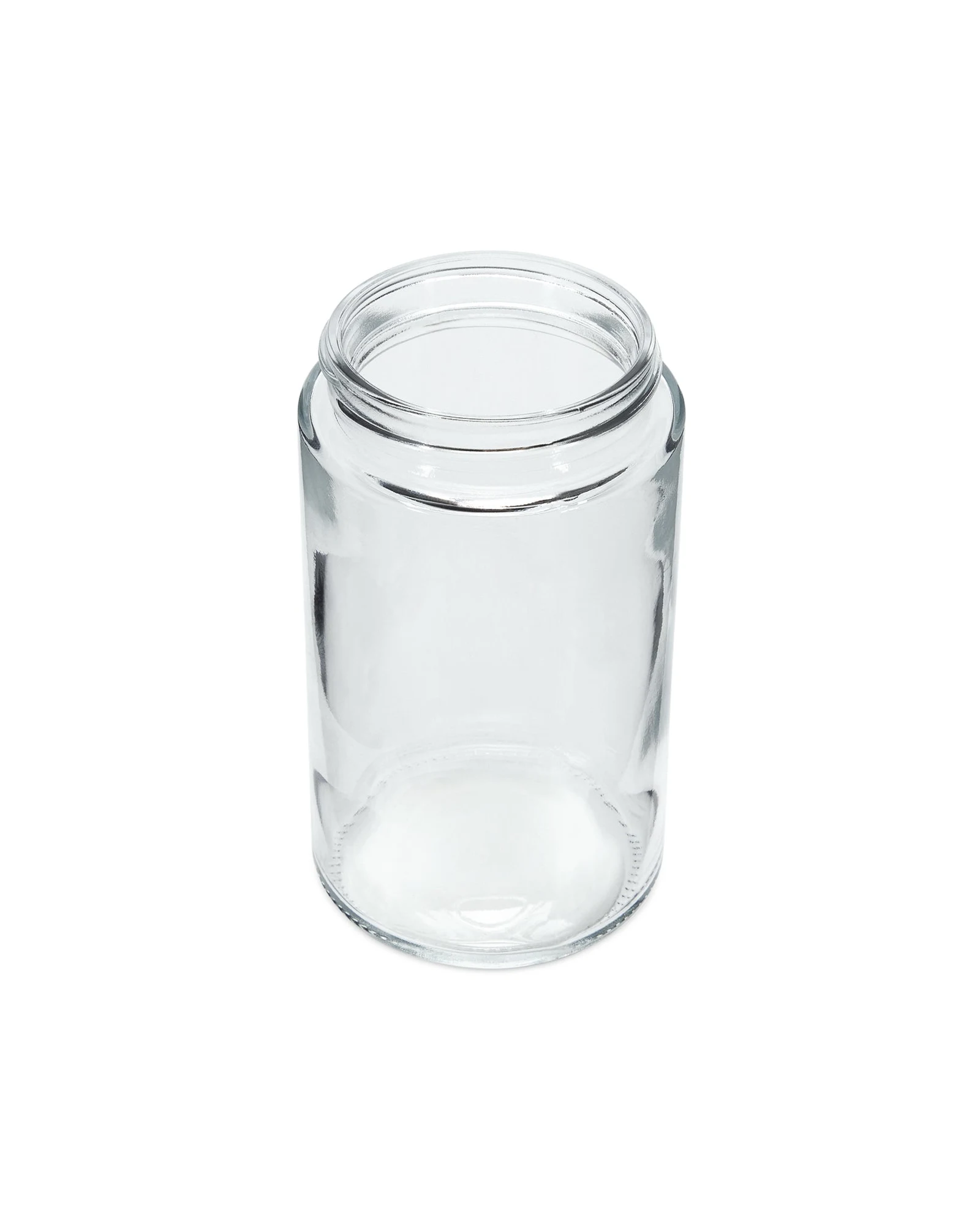
Concentrate containers are a useful example because they pack densely. The 5ML Clear Glass Straight Base Concentrate Containers are small-format items that come stacked in inner trays inside outer cases. Knowing the tray count per case before you arrive helps you do a fast visual check at the dock without opening every box.
Write the expected case count on your pickup authorization form. Hand a copy to whoever is loading your vehicle. This single habit prevents most count disputes.
Plan Your Vehicle for the Load
Vehicle space is the most commonly overlooked part of a packaging pickup. Glass jars and concentrate containers are heavier than they look when packed in full cases. Tubes and caps add volume quickly. An order that looks manageable on a spreadsheet can fill a mid-size cargo van to capacity.
Before you commit to a vehicle, calculate your load. Take the case dimensions from your order confirmation or the product detail page in the Render Packaging catalog. Multiply by the number of cases to estimate total cubic volume. Ask for the expected packed load dimensions, including pallets or protective wrap. A simple sum of box volume does not prove that the load will fit the vehicle.
Consider weight as well. A hypothetical order of 12 cases of glass jars at roughly 25 pounds per case (illustrative, not a Render specification) puts 300 pounds in the cargo area. That number alone does not prove that any vehicle can carry the order. Include other cargo, people and load restraints in the vehicle plan. Confirm the permitted payload and load space with the vehicle’s documentation and the person responsible for transport before scheduling pickup.
If the order is large enough to require a pallet, confirm whether the destination supplier has a loading dock or a lift gate, and confirm whether your vehicle can accept a pallet. Not every warehouse will break a palletized order into loose cases on request, so ask during your readiness confirmation call.
Packaging Pickup Checklist
Use this list before you leave for the warehouse and again at the dock.
Before you leave:
- Purchase order number in hand or on your phone
- Confirmation call completed, readiness verified
- Supplier contact name and reference number noted
- Expected case count written on your pickup form
- Vehicle inspected for cargo space and weight capacity
- Packing blankets or strapping available for fragile glass items
- Photo ID and any required business credentials for the dock
At the dock:
- Quote your PO number and confirmation reference
- Count cases before signing any receiving document
- Inspect outer case condition for crush damage or moisture
- Open at least one case per SKU to verify the correct item
- Note any discrepancy on the supplier's delivery receipt before signing
- Photograph any damaged cases or incorrect items before loading
After you return:
- Transfer the case count into your inventory system immediately
- File the signed receiving document with your purchase order
- Flag any open discrepancies to your supplier contact same day
Inspecting Items at the Dock Without Slowing the Line
A thorough inspection doesn't have to hold up the warehouse. Open one case per SKU and check that the item inside matches the label on the outside. For glass containers, look for obvious chips or cracks on the top layer. For closures, confirm the finish and size match your spec.
You are not performing a full quality audit at the dock. You are doing a fast, practical fit-check to catch gross errors, wrong items, or transit damage before you sign. Save detailed quantity counts and label accuracy checks for your receiving process back at the facility.
If something looks wrong, say so immediately. Most suppliers would rather resolve a discrepancy at the dock than argue about it a week later. Document with photos before anything moves.
Handling Mixed-SKU Orders
Many cannabis brands pick up orders containing multiple packaging SKUs in a single trip. Mixed loads are efficient but create sorting problems if you're not organized.
Label each case at the dock before it goes into your vehicle. Keep the original case labels visible. Where the warehouse permits it, add your own reference to the pickup sheet or an approved outer label so the receiving team can match cases to the order. If two SKUs look similar in the box, such as two jar sizes in the same color glass, mark them clearly before they get stacked together.
For a hypothetical example: a brand picking up three SKUs, say 200 units of a small concentrate container, 300 units of a mid-size jar, and 500 caps, needs a case count confirmed for each exact item. You cannot infer the number of cartons from those unit counts alone. Without case-level labels, those cases look nearly identical on a warehouse floor. With labels applied at the dock, the receiving team can route each SKU directly to its bin without opening everything.
Custom Packaging and Label Orders Require Extra Verification
If your pickup includes custom-printed packaging or custom labels, add a verification step specific to those items. Custom work is produced to a proof you approved, but errors in print, color, or copy do occur.
At the dock, pull one unit and compare it visually against your approved proof on your phone or a printed reference copy you brought with you. Check that the brand name, strain name, and any required regulated copy read correctly. If you have any question about whether regulated label language meets your state's requirements, confirm with your compliance reviewer before that packaging enters production.
Custom items often cannot be returned or exchanged once accepted, so identifying a problem at pickup, rather than after labeling your product, protects both your budget and your compliance standing. Review Render's custom packaging options before your next run if you're considering adding branded elements to your current SKUs.
What to Do If the Order Isn't Ready
Sometimes a readiness confirmation call reveals that your order isn't staged yet, or a component is on backorder. This is frustrating but manageable if you find out before you drive.
Ask the supplier for a realistic availability window. Get it in writing, even if that just means a follow-up email. Adjust your production schedule accordingly rather than assuming the order will arrive in time if you don't have a confirmed date.
If only part of your order is ready, decide whether a partial pickup makes sense. A partial pickup is worth the trip if the available items are the bottleneck for an active production run. It's not worth the trip if you need all SKUs together to begin labeling.
Document the partial pickup carefully. Note exactly which cases and SKUs you took, and leave a clear written record of what remains outstanding. Follow up in writing before the end of the same business day.
Scheduling Repeat Pickups Efficiently
If your operation runs regular will-call pickups, build a rhythm around the supplier's schedule. Confirm order readiness 48 hours in advance rather than day-of. Schedule pickups for mid-morning to avoid the dock traffic that builds at opening time and again just before closing.
Keep a log of each packaging pickup with the date, PO number, SKUs collected, case counts, and any discrepancies noted. That log becomes useful when you're tracking delivery reliability, planning reorder points, or onboarding a new team member to the process.
Consistent, documented pickups also build credibility with your supplier's warehouse team. When they recognize your name and know you come prepared, dock interactions go faster and discrepancies get resolved more cooperatively.
Ready to Plan Your Next Pickup
A well-prepared packaging pickup saves time on both sides of the dock and reduces receiving errors that disrupt your production calendar. The checklist above gives your team a repeatable method whether you're picking up a single SKU or a mixed load across several packaging formats.
Browse the full Render Packaging catalog to confirm SKUs, case quantities, and available formats before your next order. When your order is ready, call (213) 757-8064 to confirm will-call availability and get a reference number before you make the drive to Vernon.

