Packaging bills of materials keep finished SKUs from falling apart at the production line. When a single jar SKU requires a specific cap thread, a matched label dimension and a lot-coded liner, a missing component stops the run. This guide shows procurement buyers at licensed cannabis brands and dispensaries how to build, maintain and use packaging bills of materials as a practical operations tool.
What a Packaging Bill of Materials Actually Is
A packaging bill of materials (packaging BOM) is a structured component list tied to one finished SKU. It names every container, closure, liner and label needed to complete one unit. Each line carries a component identifier, a required quantity, an active revision number and any approved substitute components.
A packaging BOM is not a supplier list. It is not a reorder schedule or a price comparison. It is the authoritative record that answers one question: what exactly goes into this finished package?
How Packaging BOMs Differ from Production BOMs
Manufacturing BOMs typically cover raw materials, sub-assemblies and work-in-process steps. Packaging BOMs focus on the outer layer: the components a buyer purchases and a packaging team assembles. The content inside a cannabis jar is governed by a separate formulation or production record.
For a licensed cannabis brand, the packaging BOM sits between the product specification and the purchase order. It tells procurement what to buy, receiving what to check in and production what to pull from the shelf. Keeping these three functions aligned is the main reason to build a formal document rather than relying on memory or informal lists.
Core Fields in a Packaging BOM
Every component line in a packaging BOM should carry at least these fields.
Component ID. An internal part number or SKU that matches your inventory system. This prevents mix-ups between similar items such as a 38 mm matte white cap and a 38 mm glossy cap.
Component description. A plain text name: "38 mm child-resistant matte white cap with foil inliner, white." Spell out color, finish and any functional feature.
Unit of measure. Caps are usually counted each. Labels are often counted each or by roll. Shrink bands may be counted by sleeve.
Quantity per finished unit. Most components are 1 per unit. A two-piece set, such as a jar body plus a separate inner liner tray, requires a quantity of 1 for each part listed separately.
Revision or version. Label artwork changes. Cap suppliers update tooling. A revision field on each component line prevents old stock from mixing with current stock without a deliberate substitution decision.
Approved substitutes. List one or two pre-approved alternatives with their own component IDs. Note any restriction: for example, "Substitute B approved for non-retail units only."
Lead time flag. A simple note such as "long lead" or "stock item" helps buyers prioritize what to order early without turning the BOM into a full reorder plan.
Building Packaging Bills of Materials for Each SKU
Start with your finished SKU list. Every distinct retail unit needs its own BOM. A 3.5 g flower jar in matte black and a 3.5 g flower jar in glossy white are separate SKUs if the label or closure differs, even if the jar body is identical.
Work through each finished unit and list every physical component a packager touches. Jar body, lid, liner, label, batch sticker, hang tag, tampon seal, exit bag: each item gets its own line. If you apply a pre-roll label separately from the tube body label, both lines belong in the BOM.
Assign internal component IDs before you finalize the BOM. This step forces you to reconcile against your inventory master. If a component does not have an ID in your system, you cannot reliably track it, receive it or flag a shortage.
Attach the active label revision to the BOM at the time you approve it for production. When artwork changes, update the BOM revision and archive the prior version. That audit trail matters when a state inspector asks which label version was on a specific production lot.
A Hypothetical Worked Example
The following parts list is hypothetical. Its IDs are example references, not Render product codes. No dimensions, fit claims or prices in this example describe a stocked item. Assume the team needs one finished flower pack with a clear jar and a matte black label design.
Example finished SKU: EXAMPLE-FLOWER-A
- Line 1: J-01 jar. One empty jar per finished pack. Keep the exact supplier code and approved drawing in the item record.
- Line 2: C-01 closure. One closure per pack, checked against J-01. The approved specification covers the full container-and-closure set. Record any required test documents separately.
- Line 3: L-01 sidewall label. One label per pack, using artwork revision C and the measured sidewall dieline. This line defines the matte black design.
- Line 4: L-02 lid label. One label per pack if this approved design uses a separate lid panel. Keep its own dieline and revision record.
- Line 5: S-01 seal. Include one only if the approved pack requires this separate part. State the exact seal specification and its purpose.
For a hypothetical run of 1,000 finished packs, a one-per-pack line creates a base need of 1,000 units. Any test stock, spoilage allowance or case rounding belongs on a separate line in the order calculation. Do not hide those extras inside the one-per-pack usage figure.
If C-01 is unavailable, an alternative does not become approved merely because its size looks close. Record a proposed C-02 in a separate substitute field. Complete the fit, artwork and applicable certification review for the full pack before approving it for this use. Keep the date and reviewer with the decision.
This list shows how to record a pack. Your real parts, IDs, dimensions and approved label versions will differ.
Packaging Bills of Materials and Inventory Shortages
A BOM makes shortage detection fast. Compare the quantity on hand for each component ID against the production quantity needed. Multiply the planned run size by the quantity-per-unit for each line. If any component falls short, you know before the run starts, not partway through.
This ties indirectly to reorder planning. Oracle defines the reorder point as the inventory level that triggers replenishment -- a useful starting definition when setting minimum stock thresholds for each component in your BOM. Your BOM tells you which components to track; your reorder logic tells you when to buy them.
When a shortage appears, the BOM's approved substitute field guides the next step. If a substitute is listed and pre-approved, procurement can act immediately. If no substitute exists, production planning needs to adjust the schedule. A BOM without substitutes documented forces that decision under pressure.
Revisions and Version Control in Packaging BOMs
Cannabis packaging label copy changes frequently. A compliance update, a new batch number format or a reformatted warning panel creates a new label revision. If your BOM does not track revisions at the component level, old label stock can silently enter a production run.
Assign a revision letter or number to each component when it is first approved. Increment it every time the component specification changes in any way. "Same jar, different supplier" is a revision if the dimensions, wall thickness or color tolerance changes enough to affect fit.
Archive superseded BOM versions with a status of "inactive" rather than deleting them. If a regulatory question arises about a product that shipped six months ago, you need to know which component revision was active at that time. Deletion removes that audit capability.
A Checklist for Reviewing a Packaging BOM Before a Production Run
Use this checklist before releasing a BOM to the production floor.
- Every component line has an internal component ID that matches the inventory master.
- Each component description includes finish, color, size and any functional feature.
- Revision levels on the BOM match the revision levels of physical stock on the shelf.
- Quantities per unit are confirmed for any multi-piece or multi-label SKU.
- At least one approved substitute is documented for high-risk or long-lead components.
- Label artwork on the BOM revision matches the current approved proof on file.
- The BOM has a status field showing "active," "pending revision" or "inactive."
- Someone with sign-off authority has approved the current version and dated the record.
Regulated label copy -- such as state-mandated warnings, THC symbols and compliance text -- must be confirmed with your compliance officer or responsible regulatory reviewer before approving any label revision for production. That confirmation sits outside the BOM itself, but the BOM should reference the approved proof on file.
Matching Component Specifications Across a Multi-SKU Line
A common problem in cannabis packaging operations is component drift across SKUs. A buyer sources a 38 mm cap for one SKU, then a slightly different 38 mm cap for another SKU introduced later. Both caps look similar in a bin. Without component IDs and BOM line items, the wrong cap ends up on the wrong jar.
Packaging bills of materials prevent this by forcing specificity. If CAP-038-MWCR and CAP-038-MWCR-V2 are two distinct IDs, your receiving team labels them differently and your production team pulls the right one by ID, not by eye.
When you expand your SKU line, audit existing component IDs first. A new 7 g jar SKU may share the same cap and label finish as an existing 3.5 g SKU. Reusing the same component ID on both BOMs reduces the number of distinct items to track and consolidates purchasing volume on shared components. This is a deliberate structural decision, not an accident.
Working With Your Packaging Supplier Using BOMs
Share your BOM component descriptions with your packaging supplier when requesting stock or custom items. A description that specifies thread size, finish, inliner type and color gives the supplier what they need to confirm a match. A description that says only "white cap" invites errors.
For concentrate containers, small jars and specialty closures, component fit confirmation is part of the sampling step. A physical fit check between a jar body and a closure helps confirm that the thread engages correctly and the cap seats fully. That check belongs in your sampling records, referenced in the BOM, before you place a bulk order.
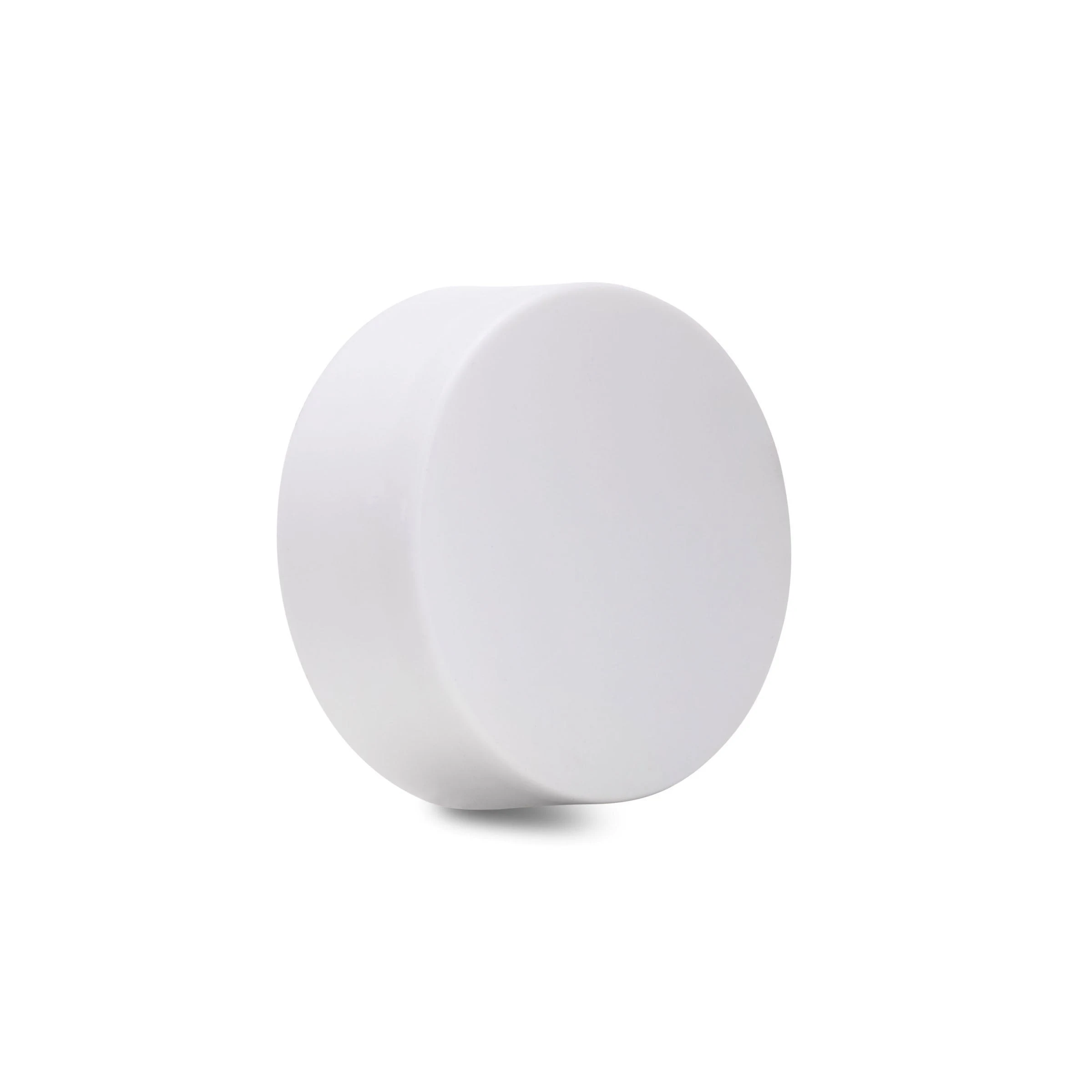
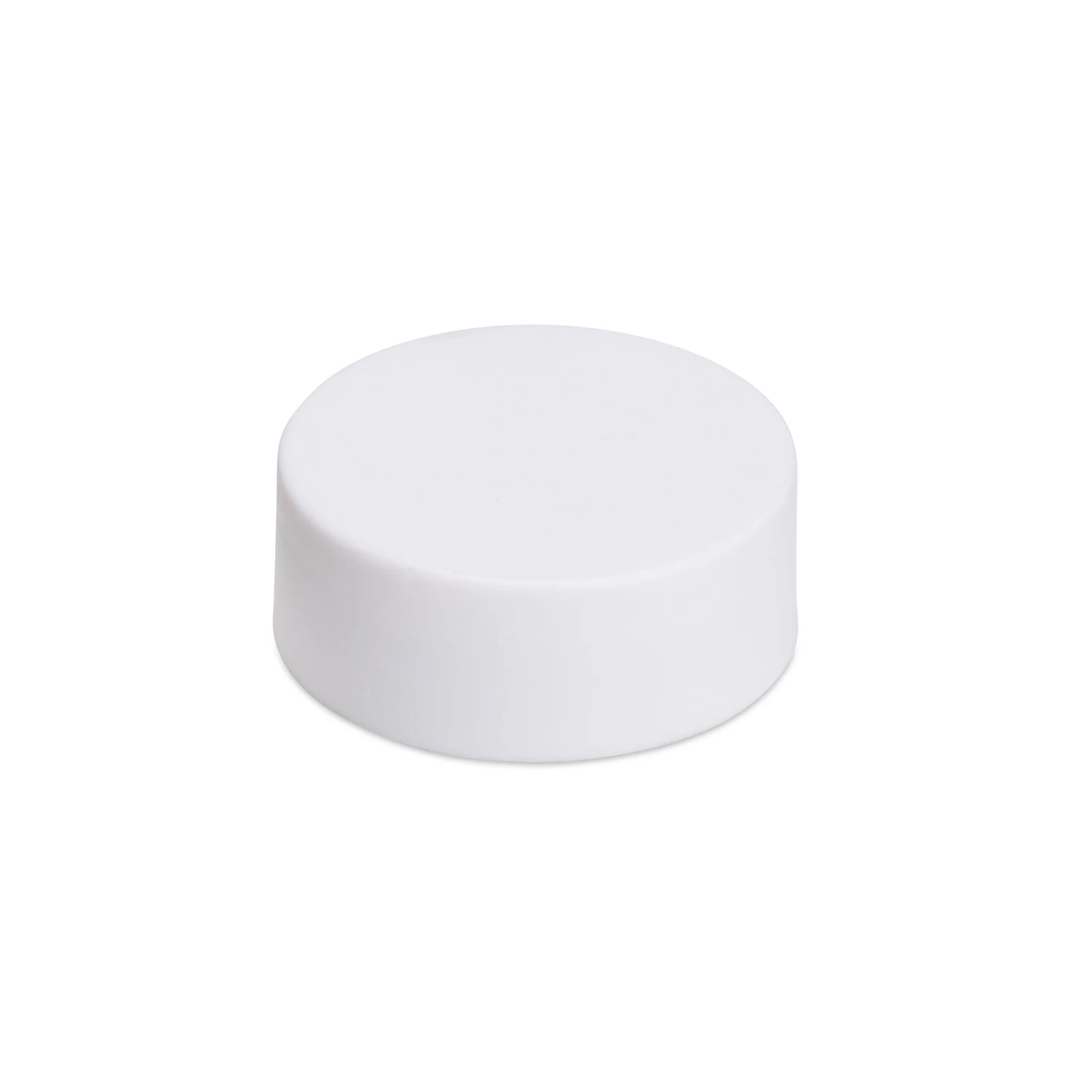
If you are building out packaging for a new concentrate SKU or updating an existing jar line, browse the Render Packaging catalog to identify candidate components. For closure options including child-resistant designs, the 38 mm child-resistant matte white cap with foil inliner is one example of the specificity a BOM line item requires: thread size, finish, color and inliner type all stated explicitly.
For custom label formats, dielines or branded packaging that does not fit a standard stock item, Render's custom packaging services can support that part of the BOM.
Building Packaging Bills of Materials Into Your Operations
Packaging bills of materials are most useful when they live in the same system as your inventory and purchase orders. A BOM stored in a spreadsheet that nobody updates is a liability, not an asset. The goal is a single source of truth that procurement, receiving and production all reference.
Start with your highest-volume SKUs. Build their BOMs first, assign component IDs, confirm revision levels and document substitutes. Then work down to lower-volume SKUs. A BOM does not need to be complicated to be useful. It needs to be accurate, current and accessible to the people who use it.
Once your packaging bills of materials are in place, shortage detection, receiving verification and substitution decisions all become faster. The BOM turns a scattered set of purchasing habits into a repeatable, auditable process.

